12 High Protein Salmon Recipes for Healthy Dinners
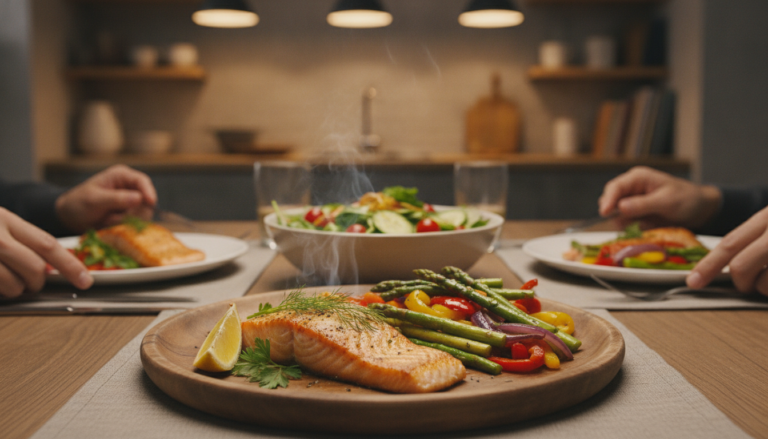
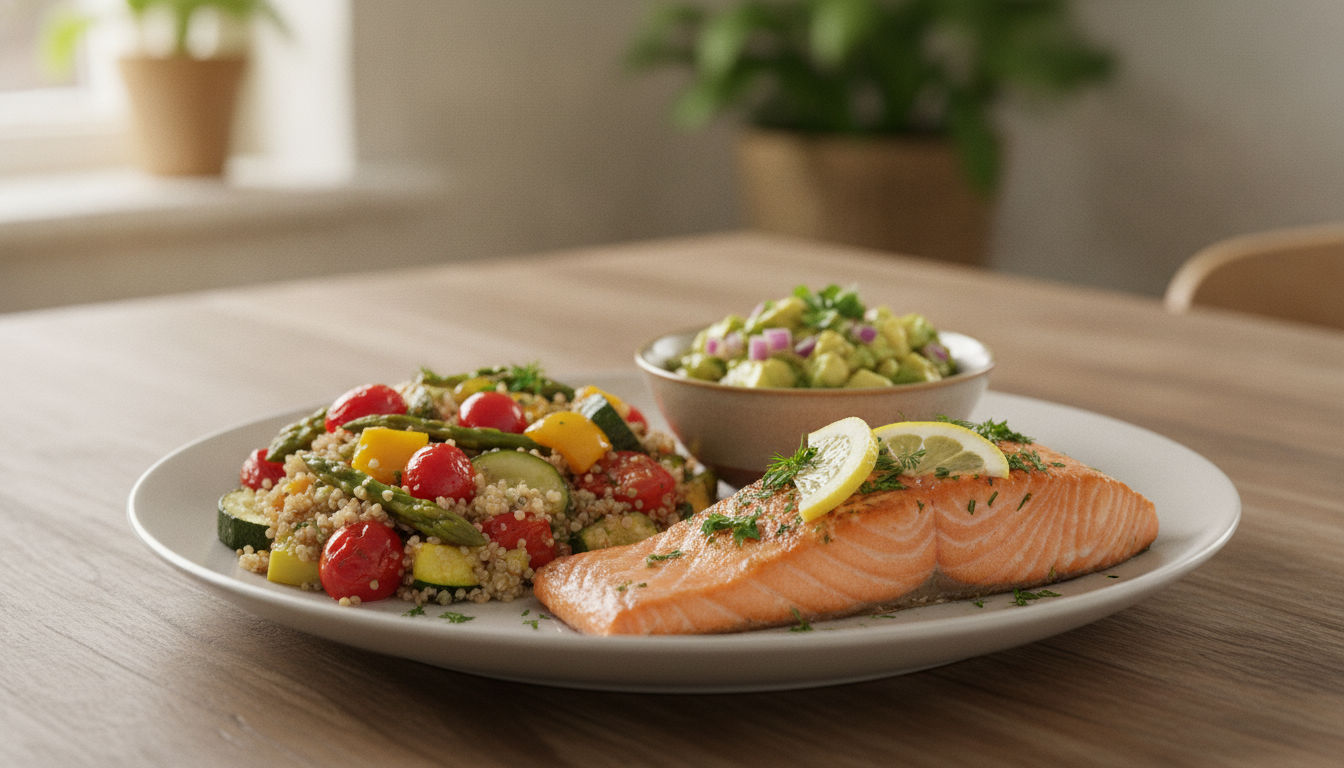
These high protein salmon recipes help you plan fast, balanced dinners without much effort. You will find a 20-minute baked option, fresh salads, grain bowls, and make-ahead meals for busy weeks.
A 4-ounce serving provides about 20 grams of protein, which supports your everyday nutrition goals. The featured baked recipe offers 234 calories, 23 grams of protein, and only 3 grams of carbohydrates per serving.
The method uses a 16-ounce fillet and takes 20 minutes: 5 minutes to prepare and 15 minutes in the oven. Add broccoli, green beans, asparagus, cilantro-lime brown rice, salads, or lettuce wraps. A little salt, pepper, and simple pantry seasoning keep each recipe practical, flexible, and full of flavor.
Key Takeaways
- Choose from 12 quick dinner ideas.
- Get about 20 grams of protein per 4-ounce serving.
- Make the baked dish in just 20 minutes.
- Enjoy 234 calories and 3 grams of carbohydrates per serving.
- Pair each meal with vegetables, rice, salads, or lettuce wraps.
- Adjust portions to fit your weekly schedule.
Why Salmon Works for High Protein Dinners
A smart dinner choice should offer lasting nourishment without adding extra work. A four-ounce portion provides about 20 grams of protein, plus omega-3 fatty acids and vitamin B12. These nutrients can support muscle repair, energy, and balanced weekly meals.
Protein and Omega-Three Benefits
Omega-3s support heart and brain health, while vitamin B12 helps maintain normal nerve and blood cell function. The meal-prep option uses wild sockeye and supplies about 1,200 milligrams of omega-3 fatty acids per serving. Its beneficial polyunsaturated fat also fits practical meal planning.
Choosing the Best Fish for Your Recipe
Pink has a mild flavor and often costs less. King offers a rich texture, while sockeye has a deeper taste and firm flesh. Atlantic varieties are widely available and work well in baked meals, bowls, and salads.
This nutrient profile suits athletic recovery and bodybuilding meal plans. It may also help you meet pregnancy nutrition goals when included in a balanced diet and chosen according to your clinician’s guidance.
Essential Ingredients for Flavorful Salmon Meals
Keep a few flexible ingredients nearby, and weeknight cooking becomes easier. You can build several meals from one simple base, then change the dressing, vegetables, or toppings for a fresh result.
Seasonings, Oils, and Citrus
For the baked dish, combine 2 tablespoons extra-virgin olive oil, 1 tablespoon Italian seasoning, 1 lemon, ½ teaspoon coarse salt, and ¼ teaspoon ground black pepper. This salt and pepper blend creates a clean flavor with little effort.
For variety, mix 2 tablespoons olive oil with lemon juice and 1 teaspoon dried oregano for a Mediterranean dressing. A Southwest sauce uses lime juice and ½ teaspoon chipotle powder. You can also blend olive oil, lemon juice, and minced garlic, or try coconut aminos, sesame oil, ginger, rice vinegar, and sesame seeds.
Fresh Vegetables, Grains, and Toppings
Serve each portion with edamame, carrots, cherry tomatoes, cucumber, Kalamata olives, corn, or scallions. Add a cup of cooked grains for a filling bowl. If you swap ingredients, adjust the sugar, seasonings, and serving size to match your dietary needs.
High Protein Salmon Recipes for Easy Weeknight Dinners
Turn a few simple ingredients into a complete meal with little cleanup. These methods suit busy evenings and keep your prep focused.
Oven-Baked Lemon Italian Salmon
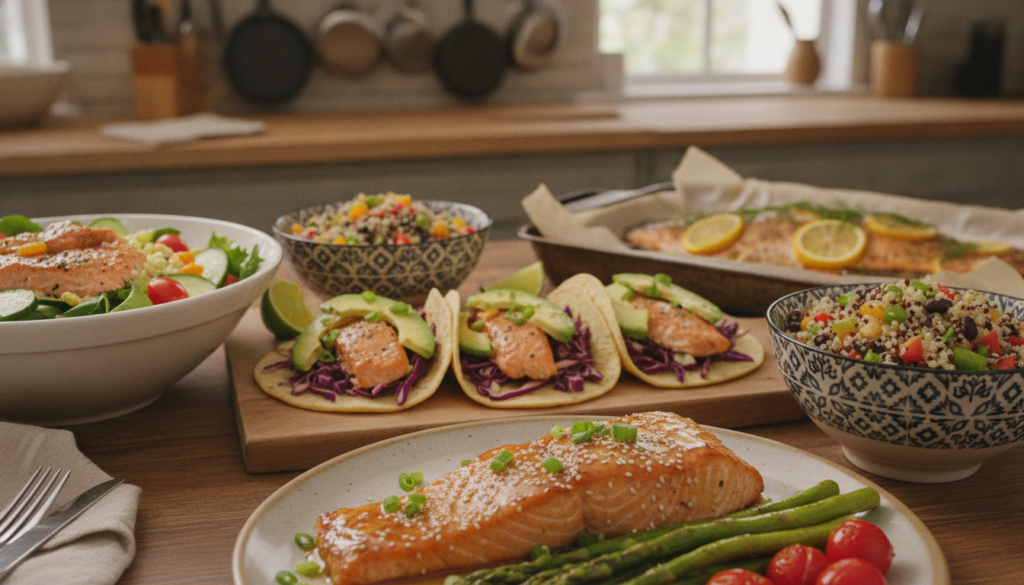
Place a 16-ounce fillet, skin-side down, on a lined sheet pan. Brush it with olive oil, lemon juice, Italian seasoning, salt, and pepper. Bake at 450°F for 15 minutes. The center should reach at least 120°F, then rest toward 125°F.
“Simple seasoning lets fresh ingredients do the work.”
Garlic Salmon with Broccoli and Sweet Potatoes
For a meal-prep recipe, roast sweet potato cubes while you season the fish. Add steamed broccoli and a lemon-garlic sauce. This pairing creates color, texture, and steady energy in one plate.
Sheet Pan Salmon with Green Beans
Arrange green beans or asparagus beside the fillet for one-pan baking. Check the fish after 15 minutes, since smaller portions cook faster. One fillet or four 4-ounce pieces provide four servings.
- Use one teaspoon of oil for vegetables.
- Top each portion with lemon and cracked pepper.
Fresh Salmon Salads and Light Meals
Fresh greens and chilled toppings create a quick meal when you want something crisp. These salads need only a few minutes of prep and offer a useful balance of fiber, healthy fat, and protein.
Lemony Spinach and Kale Salad
Layer spinach, kale, radishes, English cucumber, and flaked salmon in a serving bowl. Whisk lemon juice with olive oil, then add fresh dill for bright flavor. Hot-smoked fish makes this a ready-to-eat protein meal, so you need no extra cooking time.
Blue Circle Foods partnered with Kvarøy, a third-generation Norwegian family farm, for its hot-smoked option. The brand states that its products contain no antibiotics, GMOs, growth hormones, gluten, sugar, or synthetic pigments.
Avocado Cucumber Salad
For a lighter plate, combine creamy avocado, crisp cucumber, fresh herbs, and chilled or flaked fish. A second drizzle of olive oil keeps the dressing smooth without weighing down the greens.
Store leftovers in a sealed container and eat them cold within the recommended storage window. This approach saves minutes and gives you an easy alternative to reheating cooked fish.
High Protein Salmon Bowls
Layered bowls make dinner easy to customize and simple to pack. A two-pound wild sockeye batch divides into eight portions, so you can create several flavor styles from one cooking session.
Asian Salmon Bowl with Rice and Edamame
Start with jasmine rice, steamed edamame, and shredded carrots. Add a portion of fish, then drizzle on a sauce made with coconut aminos, sesame oil, ginger, and rice vinegar. Finish with sesame seeds and scallions.
Mediterranean Bowl with Quinoa
Combine quinoa, cherry tomatoes, cucumber, and Kalamata olives. Stir olive oil, lemon juice, oregano, garlic, and a pinch of salt into a light sauce. Add the fish and serve chilled or warm.
Southwest Bowl with Black Beans and Avocado
Layer cilantro-lime rice, black beans, corn, and avocado. Mix lime juice, olive oil, and chipotle powder for a bright sauce. Add avocado close to serving so it stays fresh.
Each meal-prep serving offers about 480 calories, 38 grams of protein, 16 grams of fat, and 42 grams of carbohydrates. The estimate includes no added sugar.
| Bowl style | Base | Key toppings |
|---|---|---|
| Asian | Jasmine rice | Edamame, carrots, sesame seeds |
| Mediterranean | Quinoa | Cucumber, tomatoes, olives |
| Southwest | Cilantro-lime rice | Beans, corn, avocado |
Salmon Recipes for Meal Prep
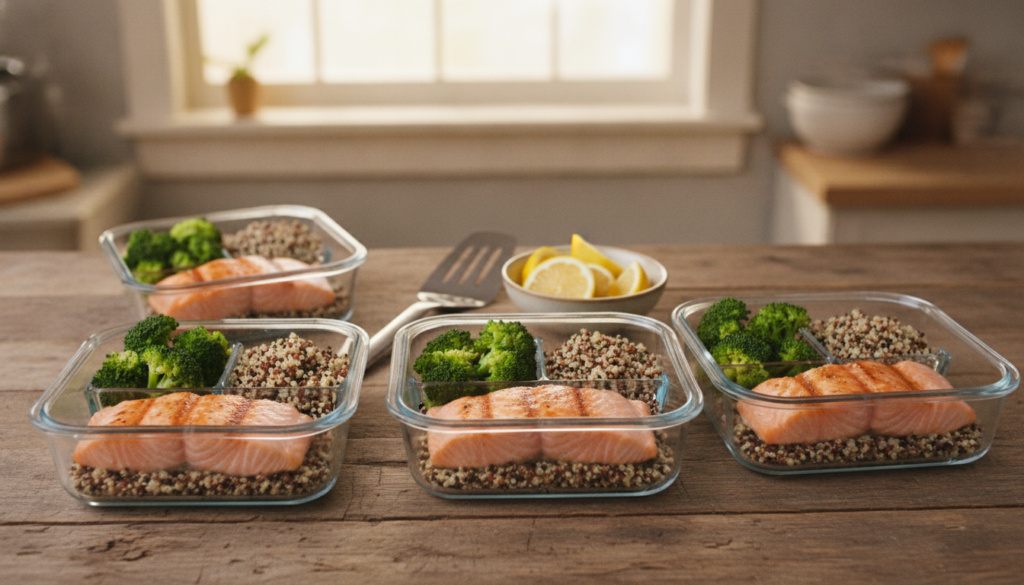
A planned cooking block can give you four varied lunches with less weekday stress. Set aside 50 minutes total: 30 minutes to prepare and 20 minutes to cook salmon. Use Asian, Mediterranean, Southwest, and Classic flavors to keep each meal interesting.
How to Batch Cook Salmon
Place 2 pounds of wild sockeye, skin-side down, on a lined pan. Bake eight portions at 400°F for 12–15 minutes. Check that the center reaches 145°F before serving. While it cooks, roast sweet potato cubes and steam broccoli. These tips help you save time and limit cleanup.
How to Assemble Balanced Meal Prep Containers
Fill each container with one portion, a grain, and two vegetables. Try rice with edamame, quinoa with tomatoes, or cilantro-lime rice with beans and corn. Add carrots or cucumber for a fresh crunch. Keep the sauce in a separate container so grains stay firm.
Store assembled bowls in the fridge for 3–4 days. Eat raw-vegetable bowls first, then enjoy cooked-vegetable servings later. Label each container with the date. These simple tips help your meal prep remain fresh, colorful, and easy to follow.
“Small steps create meals you can trust all week.”
Quick Salmon Meals with Rice, Quinoa, and Beans
Use cooked grains and fresh toppings to build a balanced dinner in minutes. This approach keeps meal prep simple and lets you change the flavor without buying new ingredients.
Cilantro Lime Salmon Rice Bowl
Start with cooked rice, then add ½ cup black beans, ½ cup corn, and ½ avocado. Top the bowl with flaked salmon and a squeeze of lime juice. For the sauce, stir olive oil, lime juice, garlic, and a little chipotle powder. This recipe delivers fiber, color, and protein with very little work.
Salmon with Quinoa and Lemon Herb Dressing
For two servings, use 2 cups cooked quinoa as your base. Add cherry tomatoes, cucumber, Kalamata olive pieces, and warm salmon. Whisk olive oil, lemon juice, oregano, and minced garlic for a fresh dressing. Ginger, sesame seeds, or fresh herbs can create a new taste in minutes.
Cook grains and vegetables during your weekly batch session. Store each meal in a sealed container, then add sauce just before serving. You can also use 2 cups of jasmine rice for two Asian-style bowls.
How to Cook Salmon Until Flaky and Moist
Reliable results come from matching the oven temperature to the portion size. Before baking, pat the fillet dry and place it skin-side down on a lined sheet. Add a teaspoon of olive oil, then season with salt and pepper.
Oven Temperature and Cooking Time
For an individual dinner, use 450°F for 15 minutes. The hotter oven supports quick baking and helps the center stay tender. For batch cooking, set the oven to 400°F and allow 12–15 minutes, based on portion size and thickness.
Do not rely on time alone. A thin piece may finish early, while a thick center needs longer. Check the thickest area with an instant-read thermometer.
Checking for Doneness
For the simple baked method, look for at least 120°F. Let the fish rest after baking; its temperature can rise toward 125°F. For meal prep, cook salmon to 145°F before storing portions for later meals.
- Look for pink, opaque flesh.
- Test that it flakes easily with a fork.
- Rest it briefly before serving.
“A thermometer gives you confidence, while texture confirms the finish.”
Storing, Freezing, and Reheating Cooked Salmon
Good storage protects flavor and texture after dinner is done.
Place cooked portions in an airtight container and set them in the fridge within two hours. Leftover baked salmon stays fresh for up to four days. Meal-prep portions keep for three to four days.
Freeze extra servings in airtight containers for up to two months. This method helps you preserve a double batch for busy weeks. Thaw frozen portions in the fridge before warming them.
For gentle reheating, use the oven at 275°F. Cover baked portions with tented foil for 10–15 minutes. Meal-prep servings need about 8–10 minutes. Add lemon juice, a little oil, or a spoonful of garlic sauce to restore moisture.
Skip the microwave when possible. The microwave can dry the fish and leave a strong odor in your kitchen. Slow, covered reheating gives the best texture.
| Storage method | Time | Best practice |
|---|---|---|
| Refrigerated leftovers | Up to 4 days | Use an airtight container |
| Meal-prep portions | 3–4 days | Label containers by date |
| Frozen portions | Up to 2 months | Thaw overnight in the fridge |
Conclusion
Bring your weeknight plan together with 12 practical dinner ideas. Baked fillets, salads, rice bowls, and quinoa plates let you enjoy salmon in fresh ways. Each recipe keeps protein goals, flavor, and simple prep in view.
Choose the 234-calorie option for a lighter plate, or use the meal-prep estimate of 38 grams per serving. Asian, Mediterranean, Southwest, and Classic pairings add variety without changing your core cooking method. Olive oil, vegetables, grains, and sauces also help you shape each meal around your nutrition needs, including fat or sugar preferences.
For reliable results, use 400°F or 450°F, check the thickest part, and look for easy flaking. Store portions for three to four days, or freeze them for two months. Reheat gently at 275°F instead of using a microwave. With a 50-minute batch plan, this final recipe can save time and make balanced servings easier to enjoy.
FAQ
How much protein does one serving provide?
What oven temperature works best?
How can you tell when the fish is done?
Should you cook the skin?
Which vegetables pair well with this meal?
Can you prepare these meals for the week?
How should you reheat a meal prep container?
Can you freeze cooked portions?
What grains work best in a bowl?
How can you add more flavor without extra sugar?
There are no reviews yet. Be the first one to write one.