12 Garlic Butter Salmon Recipes for Easy Weeknight Dinners
Weeknight cooking feels easier when dinner comes together fast. This collection gives you practical methods, familiar ingredients, and plenty of variety for your table.
Several options take about 30 minutes. Nagi’s pan-seared version serves four, needs five minutes of prep, and cooks in eight. With cauliflower purée and leafy greens, it reaches the table in less than 20 minutes.
You’ll find skillet, oven, foil-packet, and sheet-pan ideas. Rice, vegetables, salads, lemon, herbs, and a little butter create fresh flavor without adding stress.
Nagi’s continuously basted salmon shows how simple steps can create a luxurious dish. Her longtime companion and taste-tester, Dozer, lived from 2012 to 2026, adding a warm note to the story behind the recipe.
Key Takeaways
- Choose from four simple cooking methods.
- Serve many options in about 30 minutes.
- Try a fast pan-seared salmon recipe.
- Pair your main dish with greens or vegetables.
- Use pantry-friendly ingredients for bold flavor.
Easy garlic butter salmon recipes for weeknight dinners
The right cut makes fast cooking far easier. Choose even portions with moist flesh, bright coral or pink color, and no brown spots. A clean scent is a better sign than a strong fishy odor.
Choosing salmon fillets for the best texture
Commercial choices include King, Coho, Chum, Sockeye, and Pink. King offers the richest texture, while Coho freezes well. Sockeye has deep color and firm flesh. Pink tastes milder and contains less fat.
Even thickness helps each portion finish at the same time.
- Pick thick, uniform fillets for even cooking.
- Use Sockeye when you want bold color and a firm bite.
- Choose King for a richer garlic butter preparation.
- Add salt, lemon juice, or herbs just before cooking.
Fresh versus frozen salmon
Properly frozen fish can taste excellent and often locks in quality. Wild options may arrive frozen outside the May–October season. This choice works well in Pacific Northwest-style meals, where the fish remains widely enjoyed. Pat portions dry before seasoning, then follow your recipe for the best texture.
Essential ingredients for flavorful garlic butter salmon
A well-balanced sauce starts with a few dependable ingredients. For four servings, use 90 grams, or six tablespoons, to provide enough coverage during cooking. A small amount of honey can add gentle sweetness, while fresh citrus keeps the dish bright.
How butter, garlic, and lemon create a rich sauce
Fat carries aromatics across each portion and helps the mixture cling to the surface. Lemon juice cuts through richness and adds lift. In one sheet-pan recipe, combine ½ cup with three tablespoons of juice, two to three tablespoons of honey, and five finely chopped cloves. Another option uses zest from one lemon, one tablespoon of juice, and three cloves.
Seasoning with salt, pepper, and herbs
Choose unsalted butter when you want precise control. Nagi uses salted butter, then adds salt only when needed. Finely chop garlic by hand; a press can create wet pieces that burn and splatter over high heat.
- Add parsley and dill for a fresh, balanced flavor.
- Season with salt and pepper before the pan reaches full heat.
- Keep the sauce light so the fish remains the focus.
Pan-Seared Garlic Butter Salmon
This skillet method gives you a crisp surface and a tender center with little effort. It also lets you control the final texture with a thermometer.
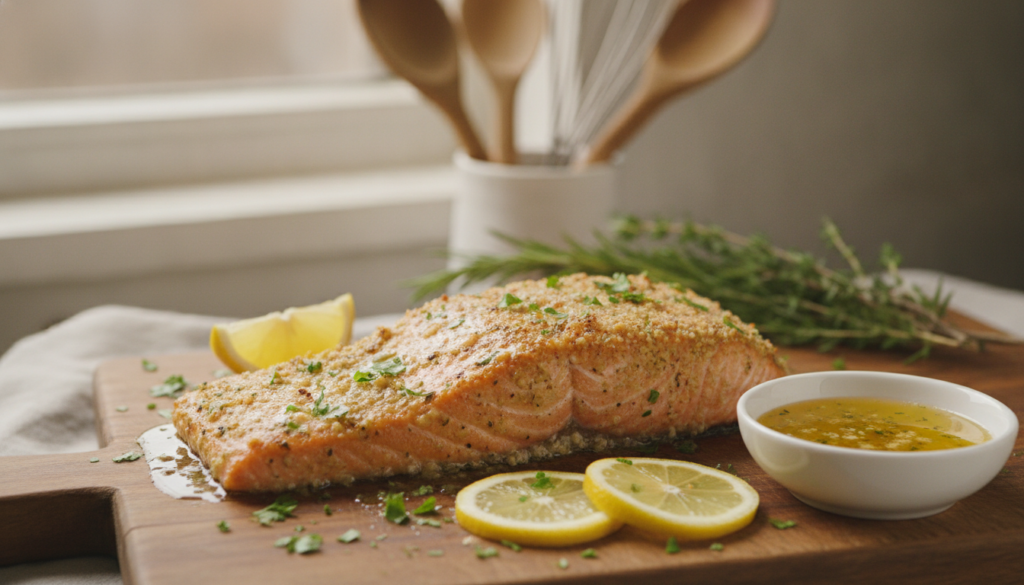
How to baste salmon with bubbling butter
Place four 6-ounce fillets presentation-side down in a hot pan. Cook for 3 minutes, then turn them. After 1 minute, add butter and garlic. Tilt the pan so the foaming fat collects at one side. Spoon it over the exposed fish for 1½ minutes. Start basting at once, so the garlic browns but does not burn.
Insert a thermometer into the thickest center. Remove the fish at 50°C/122°F for medium-rare results. Rest it for 3 minutes; carryover heat should raise it to about 53°C/127°F. Finish with a measured spoonful of pan sauce, plus parsley.
Keep the pan tilted and baste steadily for even flavor.
| Stage | Time | What to check |
|---|---|---|
| First sear | 3 minutes | Golden presentation side |
| Second side | 1 minute | Surface begins to firm |
| Basting | 1½ minutes | Foaming fat coats the fillets |
| Resting | 3 minutes | Center reaches about 53°C/127°F |
Oven-Baked Garlic Butter Salmon
Foil baking creates a moist center while keeping cleanup simple. For a dependable salmon recipe, use 1½ to 1¾ pounds of skin-on salmon fillets. Preheat oven to 375°F, then season the fish with salt and pepper.
Preparing a foil packet for tender salmon
Place the fish on foil and fold the edges upward by about 2 inches. This rim holds the sauce mixture in place and traps steam during baking. Add unsalted butter, garlic, and lemon juice for bright flavor.
Avery’s method seals the packet and bakes it for about 17 minutes. For a 2-pound portion, another guide suggests 15 to 20 minutes. Thickness and oven accuracy can change the final cooking time.
Using the broiler for golden, crisp edges
Open the foil after baking, then broil for 5 to 10 minutes. The exposed surface develops color while the center stays tender. Watch closely, since high heat can burn the fish quickly.
Check the thickest part before serving, and remove the dish when the center reaches your preferred temperature.
Sheet Pan Garlic Butter Salmon
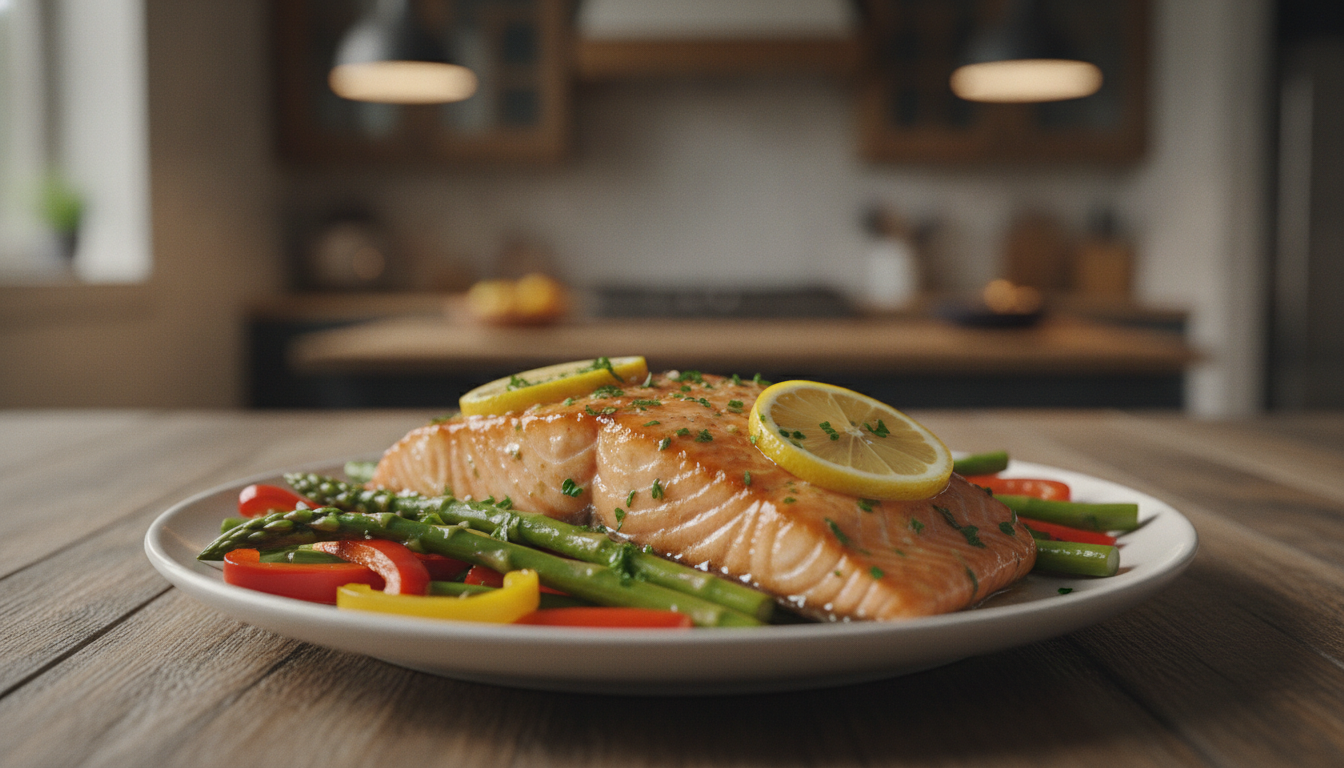
One pan can turn a busy evening into a calm, flavorful dinner. This 30-minute recipe pairs tender salmon with an infused butter sauce and very little cleanup.
To begin, preheat oven to 400°F. Line a baking pan with foil, then place thin lemon slices beneath the fillet. They add aroma and help prevent sticking during baking. Season with salt and pepper.
Stir melted butter with garlic, then pour most of the mixture over the fish. Reserve a little for serving. Arrange quick-cooking vegetables around the fillets, leaving space for hot air to circulate. Bake until the center feels firm and flakes easily.
Reserve some sauce for the table; a fresh drizzle adds more flavor than overloading the pan.
- Serve this butter salmon with rice for a filling meal.
- Add salad or roasted vegetables for a lighter side.
- Use foil to keep the pan clean after baking.
| Meal component | Best choice | Timing note |
|---|---|---|
| Main dish | Seasoned salmon fillet | Bake for about 15–20 minutes |
| Vegetable side | Asparagus or green beans | Add beside the fish |
| Serving option | Rice, salad, or roasted vegetables | Prepare while the pan cooks |
Flavor variations for garlic butter salmon recipes
Small changes to the seasoning mixture can shift the entire meal. You can keep the cooking method the same while matching the flavor to your dinner plan. Each option works in foil or in a skillet, so you have a flexible way to prepare this protein.
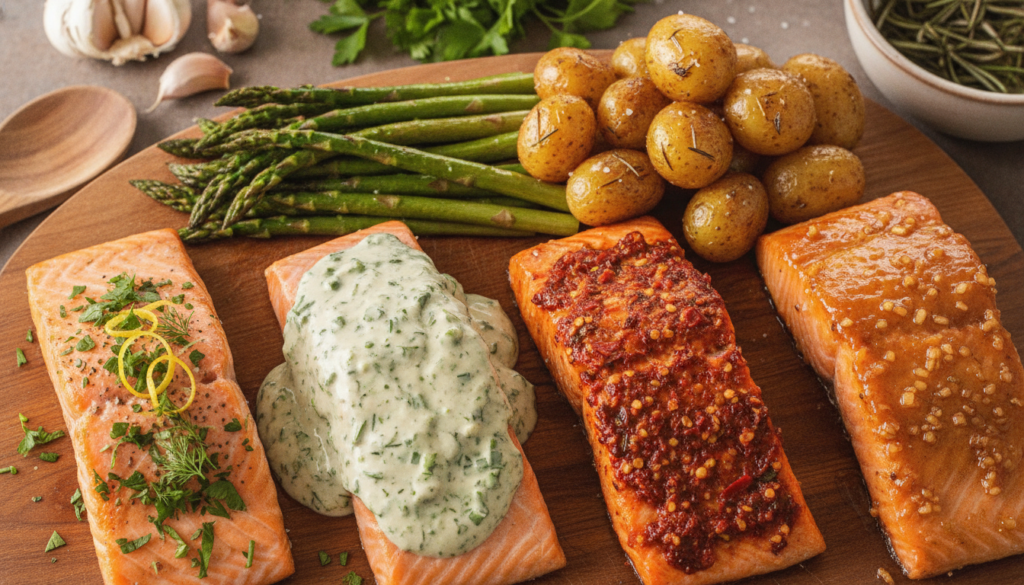
Lemon garlic butter salmon
For a bright profile, combine fresh lemon juice, thin lemon slices, garlic, and parsley. The citrus cuts through the rich fish and creates a clean, aromatic finish. This recipe needs only a light garnish before serving.
Honey garlic butter salmon
Avery’s version uses two to three tablespoons of honey, five cloves of garlic, three tablespoons of lemon juice, and fresh parsley. Honey softens the citrus edge and adds a gentle glaze. Her foil method can reach the table in about 30 minutes.
Dill and parsley butter salmon
For an herb-forward choice, add lemon zest, dried dill, salt, pepper, and fresh parsley. This familiar combination gives the sauce a balanced flavor without adding heat. Choose it when you want a classic fish dinner with a fresh garnish.
How to tell when salmon is done
Don’t rely on cooking time alone. The best check combines temperature, color, and texture. An instant-read thermometer gives you the clearest answer.
Using internal temperature for accurate results
Insert the thermometer into the thickest part, away from the pan. Nagi recommends removing the fish at 50°C/122°F for a medium-rare finish. Let it rest for three minutes. Carryover heat should raise the temperature to about 53°C/127°F.
If you season salmon with salt, pepper, lemon, or a small amount of butter, check the center before adding extra heat. This step protects the tender protein from drying out.
Checking flaky texture and color
Raw flesh looks translucent red. Cooked flesh turns opaque pink around the edges and separates easily when pressed with a fork. A slightly pink center can remain, but it should not look wet or glassy.
Use both the thermometer and the fork test when deciding whether salmon is done.
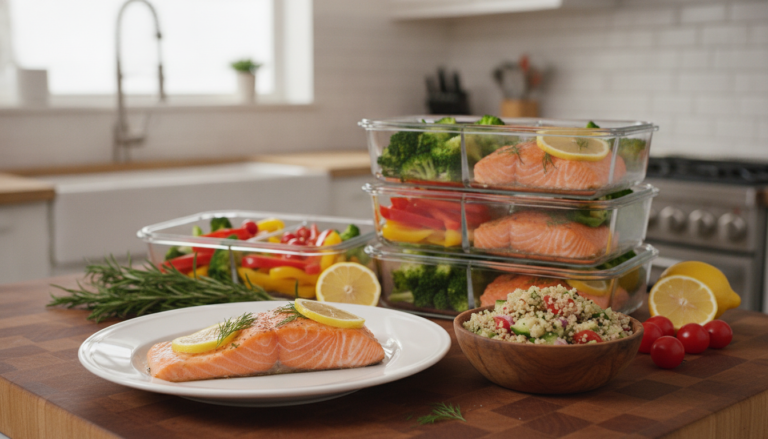
Store leftovers in an airtight container for three to four days. Reheat them gently in a 275°F oven for about 15 minutes. Avoid high heat, which can remove moisture and make the fish firm.
Best sides to serve with butter salmon
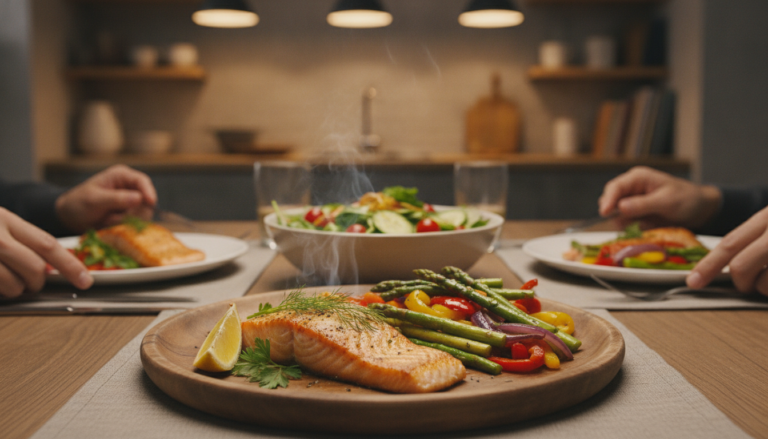
Your choice of side can balance a rich main dish and shape the whole dinner. Choose one hearty option, one vegetable, and a fresh accent. Most pairings come together while the fish cooks, often within 20 minutes.
Rice, roasted vegetables, and fresh salads
Steamed rice absorbs lemon and pan juice, creating a practical base for this recipe. Creamy winter Asiago rice offers a richer choice when you want extra comfort. Keep portions moderate because the main dish already contains plenty of fat.
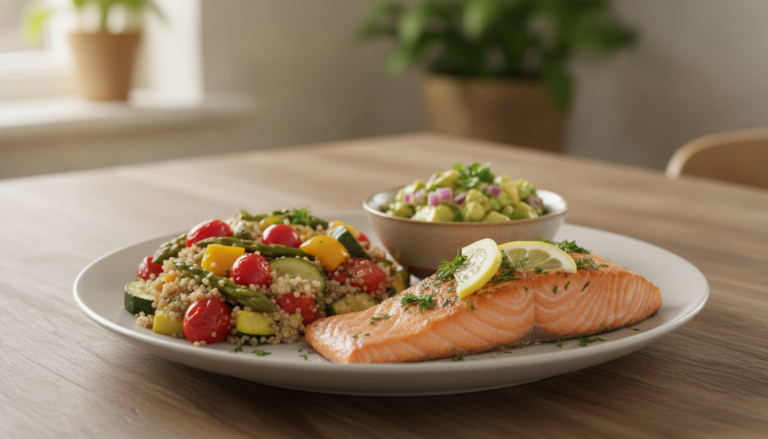
Roasted or steamed vegetables add color and contrast. Try asparagus, green beans, broccoli, or carrots. Their crisp edges and tender centers make an easy side for a weeknight dinner.
For a lighter plate, serve leafy greens with French dressing. Cauliflower puree also works well as a smooth alternative to mashed potatoes. Finish with parsley, reserved sauce, or a small garnish of citrus juice. These simple sides suit foil cooking, baking, and other recipes.
Balance rich flavors with fresh texture and bright color.
| Side | Best quality | Serving tip |
|---|---|---|
| Rice | Absorbs sauce | Serve warm |
| Roasted vegetables | Adds texture | Season lightly |
| Leafy salad | Brings acidity | Toss before serving |
| Cauliflower puree | Offers a smooth base | Use instead of mashed potatoes |
Conclusion
A dependable dinner plan starts with a method that fits your evening.
Skillet basting gives salmon a browned finish, while foil-packet baking keeps the center tender. Sheet-pan cooking lets you prepare the main dish and vegetables on one tray. Together, these methods offer reliable choices for busy weeknights.
Nagi’s benchmark removes guesswork: remove the fish at 50°C/122°F for medium-rare, then rest it for three minutes. Careful basting with butter and garlic supports even flavor.
Avery’s 375°F foil-packet method delivers tender salmon in about 17 minutes, with optional broiling for color. Choose lemon, honey, dill, or parsley to match your mood. It also saves time.
Serve this recipe with rice, roasted vegetables, a crisp salad, or cauliflower purée. A balanced side turns a quick meal into a complete dinner.
FAQ
What type of fish works best for this dish?
Can you use frozen fillets?
What temperature should the fish reach?
How do you keep the fillets from drying out?
Can you prepare this dinner in a pan?
What sides pair well with this meal?
How can you add more flavor?
Can you bake the fillets in foil?
How long does the meal take to prepare?
There are no reviews yet. Be the first one to write one.