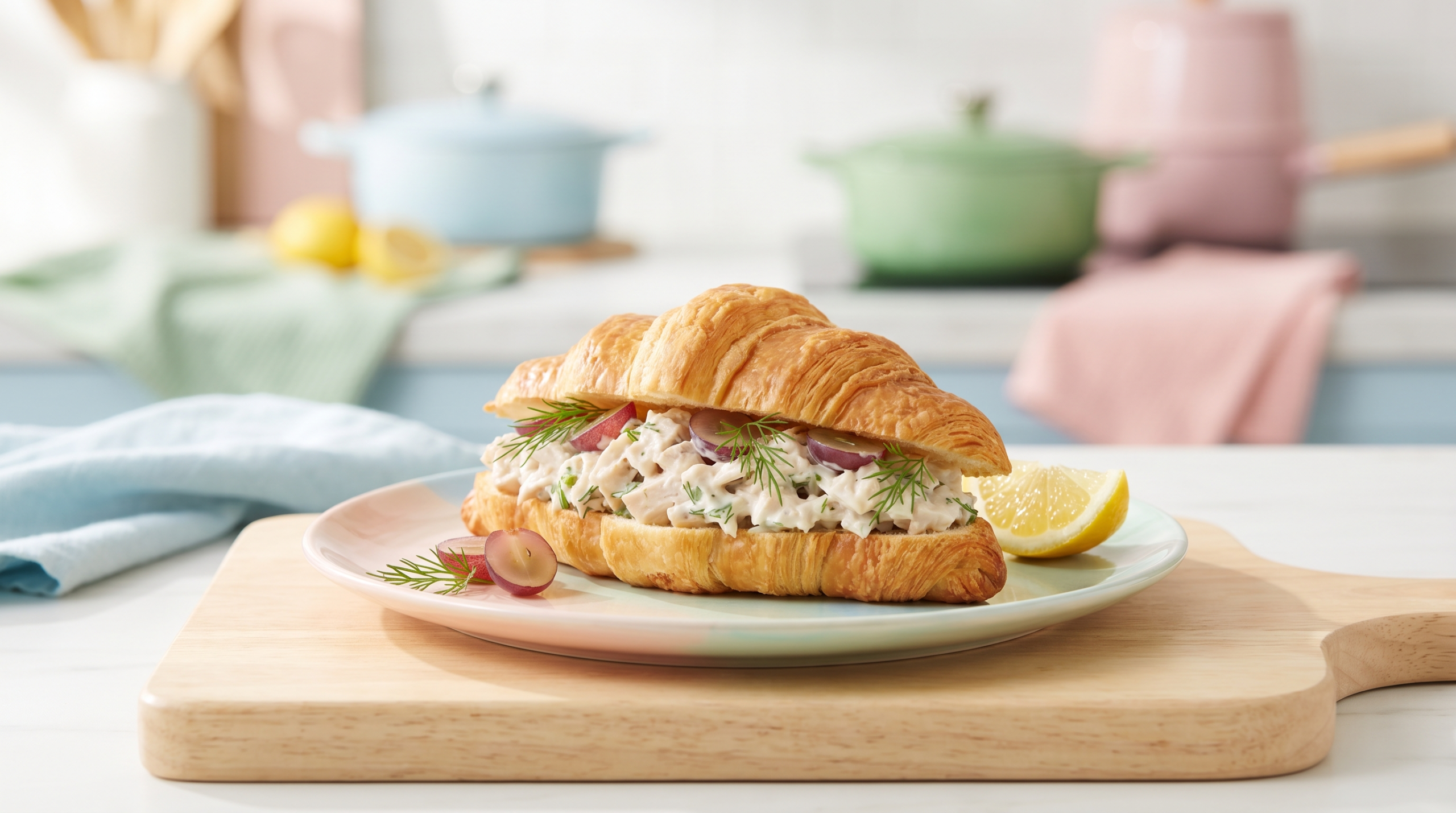
How to Make Chicken Salad: Dressing, Texture & Tips
Table of Contents
Best-Ever Chicken Salad Recipes
Acquiring the skill of crafting a homemade meal is a cornerstone for any aspiring home chef. Whether orchestrating a weekend brunch or seeking a rapid, fulfilling lunch, the ability to prepare a truly exceptional dish is paramount. This distinction significantly enhances the dining experience.
The creation of the Best-Ever Chicken Salad transcends mere ingredient amalgamation. It embodies the art of harmonizing textures and flavors, thereby transforming basic components into a gastronomic masterpiece. This culinary creation surpasses any commercially available counterpart.

By prioritizing the use of fresh herbs, premium protein, and an optimal creamy base, one can significantly elevate their culinary prowess. This comprehensive guide will elucidate the critical techniques required to captivate your audience and savor a meal that embodies both comfort and sophistication.
Key Takeaways
- Focus on using high-quality, fresh ingredients for the best flavor profile.
- Balance creamy elements with crunchy textures to create a satisfying bite.
- Proper seasoning is the secret to elevating a simple recipe into a gourmet experience.
- Homemade versions allow you to control the quality and avoid unnecessary preservatives.
- Mastering this classic dish provides a versatile foundation for many quick meals.
The Anatomy of the Best-Ever Chicken Salad
To excel in crafting the Best-Ever Chicken Salad, one must grasp its fundamental structure. A dish of superior quality hinges on the meticulous balance of protein, healthy fats, and vibrant acidity. This synergy not only elevates the dish beyond a mere meal but also transforms it into a gastronomic masterpiece.

Defining the Perfect Texture and Flavor Profile
The essence of a classic chicken salad resides in the interplay of textures. The chicken should be tender, serving as a soft foundation for the other elements. This softness is complemented by the crispness of fresh vegetables, such as celery or onions, which add a delightful contrast.
Flavor, too, is paramount, demanding a nuanced balance between savory and acidic notes. The inclusion of premium mayonnaise and a hint of lemon juice imbues the salad with a vibrant, elevated taste. Each morsel should deliver a satisfying mouthfeel, encouraging repeated indulgence.
Why Homemade Beats Store-Bought Every Time
Creating your own meal at home grants you full control over the ingredients’ quality. Commercial salads often employ preservatives and inferior fillers to prolong shelf life. Conversely, crafting a classic chicken salad in your kitchen enables the use of fresh herbs and superior poultry.
This approach not only enhances the salad’s nutritional value but also significantly boosts its flavor. You can tailor the seasoning to your liking, ensuring a taste that surpasses any store-bought alternative.
| Feature | Homemade Salad | Store-Bought Salad |
|---|---|---|
| Ingredient Quality | Premium, fresh | Often processed |
| Preservatives | None | High levels |
| Flavor Control | Fully customizable | Standardized |
| Texture | Crisp and fresh | Often mushy |
Selecting the Best Chicken for Your Salad
The essence of a delicious chicken salad recipe hinges on the quality of the protein. The selection of meat influences the texture, moisture, and overall complexity of the dish. Whether you seek deep, savory undertones or lean, clean flavors, the preparation technique is paramount.

Roasting a Whole Chicken for Maximum Flavor
Roasting a whole bird at home yields the most intense flavor. This method allows the fat to melt slowly, ensuring the meat remains succulent and rich. It is particularly suited for those desiring a robust, homemade taste that surpasses store-bought alternatives.
Using Rotisserie Chicken for Convenience
In the face of time constraints, a premium rotisserie chicken serves as an excellent alternative. These birds are often seasoned meticulously and possess a tender texture that complements a classic chicken salad perfectly. Shredding the meat while it is still warm ensures it absorbs the dressing effectively.
Poaching Chicken Breasts for a Leaner Option
Poaching is the quintessential method for a lighter, health-conscious option. By simmering the breasts in seasoned water or broth, one preserves a neutral base that accentuates herbs and aromatics. This technique produces a clean, delicate texture, defining a refined classic chicken salad.
| Method | Flavor Intensity | Preparation Time | Best For |
|---|---|---|---|
| Roasting | High | Long | Deep, savory profiles |
| Rotisserie | Medium | Very Short | Quick, easy meals |
| Poaching | Mild | Short | Lean, healthy salads |
Your selection should align with your schedule and taste preferences. Each technique contributes to a delicious chicken salad recipe that caters to diverse palates.
Essential Ingredients for a Creamy Base
The essence of a delicious chicken salad recipe lies in its creamy base. This dressing serves as the unifying force, melding protein and mix-ins into a unified culinary experience. By selecting premium ingredients, each morsel becomes a symphony of taste and texture.
Choosing the Right Mayonnaise
The cornerstone of any creamy chicken salad is the mayonnaise. Select a high-quality, full-fat variety to achieve optimal texture and richness. Steer clear of low-fat or whipped alternatives, as they often introduce additives that dilute the dressing’s consistency and detract from the overall texture.
Balancing Acidity with Lemon and Dijon
Mayonnaise, while sumptuous, can overwhelm the palate. To counteract this, introduce acidic elements to cut through the richness. Fresh lemon juice injects a vital zing, while Dijon mustard adds a sophisticated, tangy dimension that enhances the dish’s overall character.
Adding Depth with Fresh Herbs and Aromatics
To elevate your dish, incorporate fresh herbs that introduce aromatic complexity. Chopped dill, tarragon, or chives add a fresh dimension that complements the chicken’s savory flavors. These simple additions transform a basic mixture into a gourmet delight.
| Ingredient | Purpose | Flavor Impact |
|---|---|---|
| Mayonnaise | Base/Emulsion | Rich and Creamy |
| Lemon Juice | Acidity | Bright and Zesty |
| Dijon Mustard | Sharpness | Tangy and Bold |
| Fresh Herbs | Aromatics | Fresh and Complex |
Incorporating Texture and Crunch
Texture is the pivotal element that elevates a simple meal into a memorable culinary experience. In crafting an easy chicken salad recipe, the juxtaposition of soft, shredded meat against crisp vegetables creates a dynamic mouthfeel. This contrast ensures that each bite is not only palatable but also engaging.
The Role of Celery and Onions
Celery and onions form the base, providing a refreshing, sharp bite. These aromatics counteract the richness of the mayonnaise, rendering the dish light and not heavy.
It is essential to finely dice these ingredients for even distribution. The goal is to achieve a subtle crunch in every forkful, ensuring no single piece overpowers the delicate chicken flavor.
Adding Sweetness with Grapes or Apples
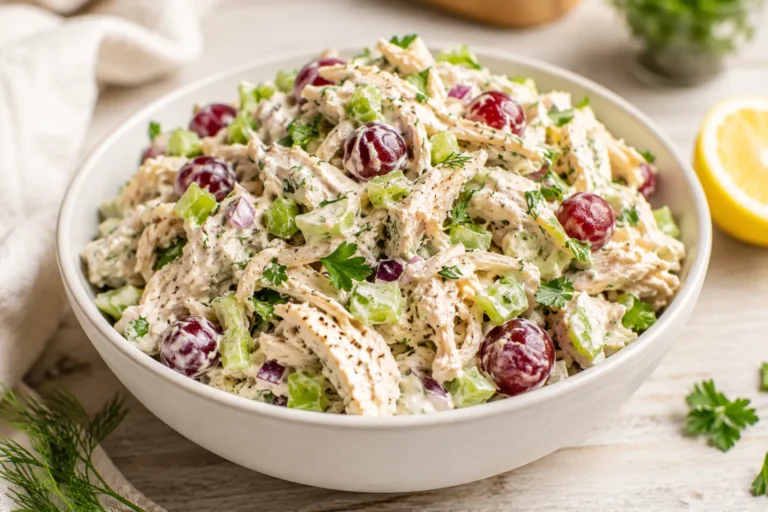
Introducing fruit is a classic technique to elevate your dish. A popular chicken salad with grapes offers a burst of juicy sweetness, perfectly balancing the savory notes of the dressing.
For a firmer texture, crisp apples like Honeycrisp or Granny Smith are excellent alternatives. These fruits provide a bright, tart profile, elevating the chicken salad with grapes or apples to a sophisticated and fresh level.
“The secret to a perfect salad lies in the harmony of contrasting textures; without that crunch, you are simply missing the soul of the dish.”
Toasting Nuts for an Earthy Finish
Toasting nuts adds a layer of depth and a satisfying, nutty crunch that rounds out the flavor profile. Whether you choose pecans, walnuts, or almonds, the heat from the pan releases natural oils that enhance their aroma.
Always toast your nuts lightly until they are fragrant, then let them cool completely before folding them into the mixture. This simple step ensures your easy chicken salad recipe maintains its structural integrity and crunch until the very last serving.
| Ingredient | Texture Type | Flavor Contribution |
|---|---|---|
| Celery | Crisp/Refreshing | Mild/Earthy |
| Red Grapes | Juicy/Soft | Sweet/Bright |
| Toasted Pecans | Crunchy/Firm | Nutty/Rich |
| Green Apples | Crisp/Firm | Tart/Sweet |
Step-by-Step Preparation Guide
To achieve the ideal consistency in your dish, a series of deliberate steps is essential. This easy chicken salad recipe transforms basic ingredients into a culinary masterpiece with minimal effort. A structured workflow ensures that every component is handled correctly, resulting in a balanced and delicious final product.
Preparing and Shredding the Chicken
The texture of your meat defines the overall experience of the dish. For the best results, shred the chicken while it is still slightly warm, as the fibers pull apart more easily. Use two forks to gently tease the meat into bite-sized pieces, ensuring you avoid over-processing it into a paste.
“The secret to a great salad lies in the texture of the protein; it should be shredded, not pulverized, to hold the dressing perfectly.”
Mixing the Dressing Components
Before introducing the chicken, prepare your dressing in a separate bowl to ensure total flavor uniformity. Whisk your mayonnaise, lemon juice, and Dijon mustard until the mixture is completely smooth and emulsified. This step is vital for an easy chicken salad recipe because it prevents clumps of seasoning from forming later.
- Combine the creamy base with your chosen aromatics.
- Whisk vigorously to incorporate the acidity of the lemon.
- Taste the dressing to ensure the salt and pepper levels are balanced.
Combining Ingredients for Even Distribution
Once your dressing is ready, add the shredded chicken and your crunchy elements like celery or nuts to the bowl. Use a large spatula to fold the ingredients together gently rather than stirring aggressively. This careful motion maintains the integrity of your textures, ensuring that every bite is perfectly seasoned and satisfying.
Following this easy chicken salad recipe method allows you to maintain a professional standard in your own kitchen. By keeping your movements light and deliberate, you preserve the crunch of your vegetables and the tenderness of the chicken. Enjoy the process of creating a meal that is as beautiful as it is tasty.
Flavor Variations to Elevate Your Recipe
The art of enhancing your homemade chicken salad lies in the strategic addition of novel, intense flavors. Once the basic techniques are grasped, the dish can be tailored to align with various themes or seasonal preferences. By experimenting with diverse ingredients, a mundane meal can be transformed into a culinary masterpiece.
Creating a Savory Herb-Forward Version
The inclusion of fresh herbs is pivotal in imbuing your homemade chicken salad with both vibrancy and depth. Integrating finely minced tarragon, dill, or flat-leaf parsley can yield a salad that exudes a fresh, garden-like essence. These herbs serve to counterbalance the creaminess of the mayonnaise, resulting in a refined and clean finish that complements crusty bread impeccably.
Adding a Spicy Kick with Jalapeños or Hot Sauce
For those who crave a spicy edge, introducing spicy elements can significantly elevate your homemade chicken salad into a dynamic, engaging dish. Incorporating finely diced jalapeños imparts a crisp, vegetal heat, while a judicious application of your preferred hot sauce injects a tangy, bold note. Exploring the addition of smoked paprika or red chili flakes can further enrich the flavor profile, leaving a lasting, complex warmth in each mouthful.
Incorporating Dried Fruits for a Mediterranean Twist
For enthusiasts of a harmonious blend of sweet and savory, the inclusion of dried fruits offers a unique opportunity to enhance texture and complexity. Chopped dried apricots, cranberries, or golden raisins, when combined with toasted almonds or walnuts, create a Mediterranean-inspired variation that adds a delightful contrast to your dish. This approach ensures that your salad will be a standout at any social gathering.
“Cooking is like painting or writing a song. Just as there are only so many notes or colors, there are only so many flavors—it’s how you combine them that sets you apart.”
| Flavor Profile | Key Ingredients | Best Pairing |
|---|---|---|
| Herb-Forward | Dill, Tarragon, Chives | Croissants |
| Spicy Kick | Jalapeños, Hot Sauce | Tortilla Chips |
| Mediterranean | Dried Apricots, Nuts | Mixed Greens |
| Classic homemade chicken salad | Celery, Onion, Mayo | White Bread |
Tips for Achieving the Perfect Consistency
The attainment of a superior homemade chicken salad hinges on achieving the ideal consistency. A well-cohesive mixture enhances the dining experience, whether served atop a toasted croissant or a fresh bed of lettuce.
Managing Moisture Levels
The challenge in maintaining a creamy chicken salad lies in preventing it from becoming excessively watery. Vegetables such as celery and onions, upon sitting, release moisture, which can dilute the dressing significantly.
To mitigate this issue, it is imperative to pat dry the chopped vegetables with a paper towel prior to their incorporation into the salad. Should the mixture still appear too loose, a judicious addition of Greek yogurt or mayonnaise can serve to thicken the base effectively.
The Importance of Chilling Before Serving
Patience is a critical component in the preparation of this dish. A minimum of one hour’s refrigeration is necessary for optimal results.
During this period, the herbs and aromatics meld harmoniously, while the dressing solidifies. This ensures that your homemade chicken salad retains a stable structure, preventing it from sliding off the bread.
Adjusting Seasoning After Resting
Following the salad’s resting period, the ingredients will have absorbed the dressing, potentially softening the initial impact of the spices. A final taste test is essential before serving to your guests.
It may be necessary to add a pinch of salt, a squeeze of fresh lemon juice, or an additional black pepper to achieve the perfect balance of flavors in your creamy chicken salad.
| Issue | Cause | Solution |
|---|---|---|
| Too watery | Excess moisture in veggies | Pat vegetables dry before mixing |
| Too dry | Over-absorption by chicken | Add a tablespoon of mayo or yogurt |
| Lacks flavor | Insufficient resting time | Chill for at least one hour |
| Grainy texture | Over-processed chicken | Use a fork to shred by hand |
Serving Suggestions and Pairings
The art of presentation can metamorphose a mundane meal into a gastronomic masterpiece. Whether orchestrating a brunch or crafting a healthy chicken salad for a hasty weekday repast, the judicious choice of accompaniment is paramount. Explore these adaptable suggestions to enhance your next culinary endeavor.
Classic Sandwiches and Croissants
The allure of a flaky, buttery croissant, replete with your preferred filling, is unparalleled. Its opulence harmonizes with the chicken’s savory essence. For a more substantial option, consider the salad atop toasted sourdough or multigrain bread.
Pro tip: To avert sogginess, lightly toast your bread or croissant prior to filling. This minor adjustment guarantees each morsel is both satisfying and structurally intact.
Serving Over Fresh Greens
Opting for a lighter presentation, serving your healthy chicken salad atop a bed of crisp mixed greens is a wise decision. This transformation converts a conventional sandwich filling into a vibrant, nutrient-rich salad bowl. Employ peppery arugula, tender butter lettuce, or crunchy romaine to introduce additional texture.
Adorn the greens with a light vinaigrette to enhance the flavor spectrum. This method is ideal for those desiring a low-carb or gluten-free dining experience.
Pairing with Crackers and Vegetable Crudités
For an exquisite appetizer or a delicate snack, pair your mixture with an array of crackers and fresh vegetables. This strategy empowers guests to tailor their own portions. It is particularly suited for events where finger foods are favored.
Employ robust crackers, such as water crackers or pita chips, to support the salad’s weight. Fresh cucumber slices, bell pepper strips, and celery sticks offer a refreshing, crunchy contrast to the creamy base.
| Serving Style | Best Occasion | Texture Profile |
|---|---|---|
| Croissant Sandwich | Brunch or Picnic | Soft and Buttery |
| Green Salad Bowl | Healthy Lunch | Crisp and Fresh |
| Crudité Platter | Appetizer/Party | Crunchy and Light |
Storing and Food Safety Best Practices
Ensuring the longevity of your healthy chicken salad hinges on meticulous storage practices. Given its reliance on mayonnaise, the salad is particularly susceptible to temperature variations. Thus, maintaining a consistent storage environment is paramount for both preserving flavor and ensuring safety.
Proper Refrigeration Techniques
Employing an airtight container is imperative to prevent the salad from absorbing odors from adjacent items. Optimal storage involves positioning the container on a middle or lower shelf, where temperature stability is most pronounced. Conversely, avoid the refrigerator door, as it is subject to the most pronounced temperature fluctuations.
“Food safety transcends the selection of ingredients; it is equally about the handling practices employed post-preparation.”
How Long Does Homemade Chicken Salad Last
For optimal quality and safety, consumption of your healthy chicken salad should occur within three to four days post-preparation. Although it may appear edible beyond this timeframe, the risk of bacterial proliferation escalates as ingredients begin to deteriorate. Incorporation of fresh vegetables, such as celery or grapes, necessitates vigilance, as they can introduce moisture, potentially shortening the salad’s shelf life.
| Storage Method | Recommended Time | Safety Note |
|---|---|---|
| Refrigerator (40°F or below) | 3-4 Days | Use airtight containers |
| Room Temperature | Max 2 Hours | Discard if left out longer |
| Freezer | Not Recommended | Texture will degrade |
Signs That Your Salad Has Expired
Depend on your senses to determine if your healthy chicken salad remains safe for consumption. Any discernible sour or “off” odor necessitates immediate disposal. Additionally, observe for any color alterations or the presence of excess liquid that has separated from the dressing.
Should the salad exhibit a slimy texture or display signs of mold, it is imperative to discard it entirely. In cases of uncertainty, err on the side of caution and discard the salad to avert the risk of foodborne illness. Vigilance in monitoring your food’s condition ensures that every meal remains a delightful and risk-free experience.
Common Mistakes to Avoid
Even the most adept home cooks may encounter challenges when preparing a classic dish. Crafting a truly flavorful chicken salad necessitates meticulous attention and a delicate approach during assembly. By identifying these frequent errors, one can guarantee a final product that is perfectly balanced and appealing every time.
Over-processing the Chicken
One prevalent error is transforming the protein into a mushy paste. Aggressive shredding or chopping results in a loss of the satisfying texture characteristic of a superior salad. Always aim for bite-sized chunks that offer a delightful mouthfeel, rather than a uniform, spreadable consistency.
Using Too Much Dressing
The temptation to add extra mayonnaise or dressing to maintain moisture is understandable. Nonetheless, over-dressing can obscure the subtle flavors of herbs and fresh aromatics. Start with a conservative amount of dressing and fold it in gradually until the desired creaminess is achieved.
Neglecting to Season Properly
Many overlook the fact that chicken serves as a blank canvas, requiring adequate seasoning to truly shine. Neglecting to taste the mixture as you go often results in a dish that is bland or uninspired. Remember to season with salt and pepper at each stage of preparation to build a rich, complex flavor profile that elevates your flavorful chicken salad to new heights.
Conclusion
The art of crafting a memorable meal hinges on the harmonious blend of simple, yet superior ingredients. Armed with this insight, you are now equipped to elevate basic pantry staples into a delectable chicken salad, a true showstopper at any social gathering.
Advancing your culinary skills empowers you to transcend conventional recipes. You are free to experiment with daring combinations that mirror your personal taste, all while preserving the essence of this beloved classic.
A consistently flavorful chicken salad serves as a versatile foundation for both swift lunches and refined party platters. Ensure your pantry is always well-stocked with fresh herbs and premium mayonnaise, guaranteeing your readiness to prepare a batch at a moment’s notice.
We extend an invitation to share your most cherished ingredient pairings with the culinary community. Your innovative take on this enduring recipe could spark inspiration in another home cook, propelling them to enhance their own cooking repertoire. Revel in the journey of transforming this dish into a quintessential part of your home cooking legacy.
FAQ
What defines the texture and flavor of the best-ever chicken salad?
The quintessential chicken salad is characterized by a synergy between tender, premium protein and crisp, refreshing vegetables. Unlike commercial versions, which often rely on preservatives, a homemade salad empowers you to fine-tune the celery’s crunch and the chicken’s savory depth. This ensures a superior texture and a vibrant, clean flavor profile.
Which type of poultry works best for a delicious chicken salad recipe?
The choice of chicken is pivotal for a delectable salad. Roasting a whole Boar’s Head chicken at home imbues the most robust flavor. Conversely, a Costco rotisserie chicken serves as an ideal shortcut for an effortless salad. For a leaner option, poaching chicken breasts in seasoned broth yields a tender, clean-tasting protein base.
How do I create a perfectly creamy chicken salad base?
Achieving a creamy yet non-greasy chicken salad begins with high-quality mayonnaise, such as Duke’s or Hellmann’s Real Mayonnaise. The key is to balance the richness by incorporating fresh lemon juice and a hint of Grey Poupon Dijon mustard. Introducing fresh aromatics like dill or tarragon adds a professional-grade depth, elevating the dish’s overall flavor.
Why is chicken salad with grapes such a classic choice?
Chicken salad with grapes stands as a classic due to the fruit’s juicy, sweet contrast to the savory meat and dressing. Incorporating sliced red grapes or diced Granny Smith apples enhances the flavor profile, transforming a simple dish into a delightful brunch or light lunch option.
What is the best way to serve a healthy chicken salad?
To maintain a healthy profile, serve the salad over organic spring mix or in large butter lettuce leaves. For a social setting, pairing it with Stacy’s pita chips or fresh cucumber slices offers a satisfying crunch without the heaviness of traditional bread.
How long does homemade chicken salad stay fresh in the refrigerator?
Homemade chicken salad should be stored in an airtight container and refrigerated at 40°F or below to ensure food safety and peak flavor. It generally remains fresh and safe for consumption for three to five days. Always inspect the salad for any signs of spoilage or off-odors before serving.
What are the most common mistakes to avoid when making a flavorful chicken salad?
Avoid over-processing the chicken, which can result in a paste rather than a chunky salad. Also, add dressing gradually to prevent the salad from becoming too moist. Finally, taste and adjust the seasoning after chilling, as flavors can mellow during the resting period.
Can I customize an easy chicken salad recipe with different flavors?
Absolutely. An easy chicken salad recipe is a versatile canvas. You can introduce a Mediterranean twist with sun-dried tomatoes and kalamata olives or add a spicy kick with diced jalapeños or Tabasco sauce. These variations keep the dish exciting while leveraging the same foundational techniques.
There are no reviews yet. Be the first one to write one.