15 Easy Baked Salmon Recipes for Flavorful Dinners
You can bring a polished oven meal to the table without a long shopping list or complex steps. This collection offers 15 easy ideas with practical ingredients, flexible seasonings, and dependable cooking methods.
The featured classic preparation serves four and needs only 10 minutes of prep. A 3-pound whole salmon fillet cooks at 350°F for about 25 minutes, creating an impressive centerpiece for a weeknight dinner. Its simple base also makes it easy to adjust the flavor.
As you explore the collection, you will find bright lemon, sweet honey and brown sugar, fresh herbs, tangy mustard, bold chili, and convenient sheet-pan variations. Each recipe helps you build a satisfying meal with less guesswork.
The classic 350°F method sets the foundation. Food photography and styling credits include Philip Friedman, Leslie Raney, Doaa Elkady, and Brooke Caison. With clear timing and adaptable seasoning, you can choose a dish that fits your schedule and your preferred flavor.
Key Takeaways
- Serves four people
- Needs 10 minutes of preparation
- Uses a 3-pound whole fillet
- Cooks at 350°F for about 25 minutes
- Includes lemon, honey, herb, mustard, chili, and sheet-pan options
Easy Baked Salmon Recipes for Every Dinner
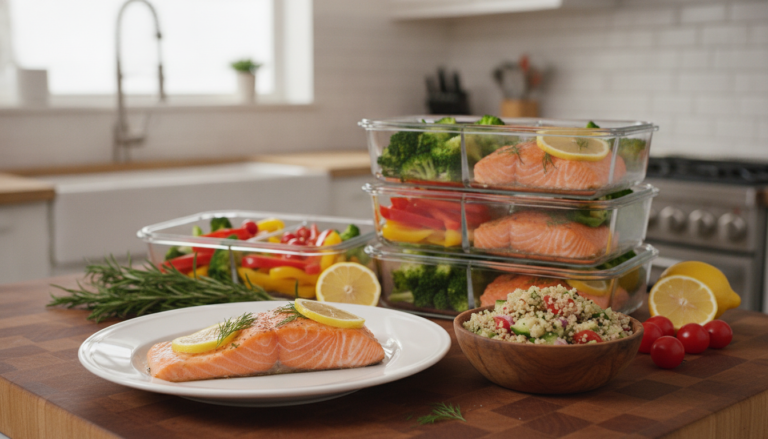
Choose your dinner by flavor, cooking style, and available time. These 15 recipes range from quick tray bakes to larger fillets suited to a relaxed gathering. You can find a practical option for nearly any weeknight plan.
Four 6-ounce fillets offer simple portion control for a family meal. A whole fillet serves four, while about ½ pound per person works well when guests have a larger appetite. One source lists 911 calories per serving, so check portions and sides to match your needs.
This fish supplies omega-3 fatty acids, protein, vitamin A, and astaxanthin. Treat that information as general nutrition context, not medical advice. Cooking times range from 11 to 25 minutes, giving you a fast or leisurely way to plan dinner.
Preheat the oven while you season the fish, prepare vegetables, and line a sheet. That small step saves time and keeps the process smooth.
How to Choose Salmon and Prepare Your Ingredients
The right fish and a few smart pantry choices make dinner easier. Buy about ½ pound per person. A 3-pound fillet needs more oven time than smaller portions.
Fresh Versus Frozen Salmon Fillets
Fresh and flash-frozen options can both work well. Choose a sealed package with only salmon listed as the ingredient. Proper packaging helps this protein stay fresh in the freezer.
Chinook, sockeye, coho, pink, and chum are the five main Pacific types. Bristol Bay, Alaska, supports the world’s largest sockeye run and about 8,000 fishermen. For sourcing guidance, check Monterey Bay Aquarium Seafood Watch or look for Marine Stewardship Council certification.
Essential Seasonings, Oils, and Flavor Builders
Use skin-on or skinless portions. Skin protects the flesh, but it may stay soft under the broiler. Coat the fish with olive oil, then add salt, pepper, garlic, herbs, and lemon. Honey, mustard, paprika, and brown sugar create easy flavor changes for each recipe.
- Pat the fillet dry.
- Place it on a rimmed baking sheet.
- Add green beans or other vegetables for a complete meal.
| Choice | Best use | Buying note |
|---|---|---|
| Fresh | Quick cooking | Firm, mild aroma |
| Frozen | Planned meals | Package lists only fish |
| Skin-on | Moist texture | Skin may remain soft |
How to Bake Salmon in the Oven
Reliable results start with a well-prepared pan and a clear cooking plan. Line a large rimmed baking sheet with foil, then add parchment. This layer catches juices, protects the pan, and makes cleanup easier.

Preparing the Pan and Setting the Heat
Place fillets skin-side down, with space between each piece. Good spacing lets heat circulate. Preheat oven before you season the fish with salt and pepper.
For a classic recipe, use 350°F for about 25 minutes. A 375°F oven cooks a fillet in roughly 10 to 15 minutes. For a fast finish, broil near 525°F for about 11 minutes. Watch closely, since high heat can dry the surface.
Checking for Doneness
An instant-read thermometer gives you the best control. Insert it into the thickest part, avoiding the pan. Remove the fish at 122°F for maximum juiciness, or choose 140°F for a firmer texture. The USDA target for fully cooked fish is 145°F internal temperature.
Use a fork as a final check. The flesh should flake easily. Your preferred doneness and the fillet’s thickness determine the exact time.
| Method | Temperature | Approximate time | Best result |
|---|---|---|---|
| Classic baking | 350°F | About 25 minutes | Gentle, even cooking |
| Hot oven | 375°F | 10–15 minutes | Quick fillets |
| Broiling | Near 525°F | About 11 minutes | Fast browning |
Classic Lemon and Butter Baked Salmon
A bright citrus finish turns this classic recipe into an easy centerpiece for a family dinner. Start by placing two thinly sliced lemons across a rimmed pan. Set a 3-pound skin-on fillet over the slices so the warm fruit can mingle with the cooking juices.
For the sauce, stir together six tablespoons of melted unsalted butter, two tablespoons of honey, two garlic cloves, one teaspoon of dried oregano, and one teaspoon of fresh thyme. Add salt and pepper, then brush the mixture over the fish. Fold parchment and foil around it to hold in moisture.
Lemon Garlic Salmon With Fresh Parsley
Heat the oven to 350°F. Bake for about 25 minutes, then open the foil carefully. Broil for 4 to 6 minutes, watching the top until browned spots appear. This short finish adds depth without drying the center.
Herb-Roasted Salmon With Thyme and Oregano
Let the melted butter carry the herbs across the surface. The garlic adds savory warmth, while lemon keeps the flavor fresh and balanced.
Whole Fillet With Roasted Lemon Slices
Move the fillet to a serving platter. Finish it with fresh parsley and a squeeze of lemon juice for color, acidity, and a bright final flavor. This simple recipe delivers a tender center with very little cleanup.
Sweet and Savory Salmon Recipes
Sweet glazes and savory spices give your dinner a fresh direction. A few pantry staples can create rich color, bright contrast, and a smooth finish without extra work.
Honey Garlic Baked Salmon
Whisk two tablespoons of honey with garlic, olive oil, salt, and pepper. Honey thickens as it warms, so it clings to each fillet. Brush it over the top before placing the pan in the oven. For deeper caramel notes, use light brown sugar instead.
Brown Sugar and Paprika Salmon
Combine brown sugar, regular paprika, garlic powder, olive oil, salt, and pepper. Regular paprika brings gentle warmth without the stronger taste of smoked paprika. Bake individual portions at 375°F for 10 to 15 minutes, depending on thickness. The sugar browns while the fish stays moist.
Maple Mustard Glazed Salmon
Mix maple syrup with mustard and a squeeze of lemon. This glaze balances sweet, tangy, and savory flavor. Add lemon zest for a brighter finish. Brush the coating on just before baking for an easy weeknight dinner.
Sheet-Pan Baked Salmon Recipes
A single pan turns dinner into a simple, colorful meal. Line a baking sheet with foil, then arrange four 6-ounce salmon fillets with asparagus and 7 ounces of cherry tomatoes. Keep the vegetables close in size so they cook evenly.
For the topping, combine 1 teaspoon lemon zest, 1 tablespoon lemon juice, 2 tablespoons extra-virgin olive oil, 1 teaspoon Dijon mustard, and two grated garlic cloves. Add salt and pepper, then spread the paste over each fillet. Broil the pan at 525°F for about 11 minutes, until the flesh flakes and the vegetables show light color.
Lemon Garlic Salmon With Asparagus
This bright mix gives the fish a fresh flavor and keeps the side crisp. Add parsley and more lemon juice before serving.
Salmon With Green Beans and Cherry Tomatoes
Replace asparagus with green beans when needed. Thin pieces cook well beside the fillets and absorb the savory juices.
Parmesan Salmon With Broccolini
Use thin broccolini for another quick option. Grate Parmesan over the vegetables just before serving for a salty finish.
| Option | Vegetable side | Finish |
|---|---|---|
| Lemon garlic | Asparagus | Parsley and lemon juice |
| One-pan dinner | Green beans and tomatoes | Extra citrus |
| Parmesan style | Thin broccolini | Grated Parmesan |
Fresh Herb and Olive Oil Salmon Recipes
Fresh herbs can shift a familiar dinner toward a brighter, lighter profile. Use extra-virgin olive oil in place of butter to help keep the fillets moist during baking. Its clean taste also lets delicate herbs stand out.
Garlic Olive Oil Salmon With Dill
Stir olive oil with minced garlic, chopped dill, salt, and black pepper. Brush the mixture over each portion. Bake until the center flakes, then rest for a few minutes before serving.
Parsley Lemon Fillets
Combine olive oil, lemon zest, and a small amount of lemon juice. Zest gives concentrated citrus flavor, while juice adds tang. Add it carefully so the fish does not taste sharp. Finish with fresh parsley for color.
Rosemary and Black Pepper Fillets
Rosemary offers a fragrant way to replace thyme. Use a modest amount, since its flavor can grow strong during baking. Add garlic and pepper, then serve each fillet with a simple vegetable side.
For the best flavor, add herbs before cooking and parsley at the top. This keeps the fresh finish vivid on the plate.
| Variation | Main flavors | Best finishing touch |
|---|---|---|
| Dill and garlic | Olive oil, garlic, dill | Fresh dill |
| Parsley lemon | Lemon zest, lemon juice | Chopped parsley |
| Rosemary pepper | Rosemary, black pepper, garlic | Steamed vegetables |
Boldly Seasoned Baked Salmon Recipes
When mild seasoning feels predictable, turn to assertive pantry blends. These three variations add color, tang, and gentle heat without extra steps. Each one suits a weeknight meal and keeps the method clear.
Garlic Paprika Fillet
For a fast option, combine regular paprika, garlic powder, salt, pepper, and olive oil. Rub the blend over the flesh for even coverage. Bake in a preheated oven until the center flakes and the surface looks lightly bronzed.
Mustard Crusted Fillet
Stir Dijon mustard with lemon juice, garlic, and a little oil. The thick paste grips the fish instead of sliding away during baking. Spread it in a thin layer for a savory crust with bright flavor.
Chili Lemon Fillet
Mix chili powder with lemon zest, a pinch of salt, pepper, and oil. Zest adds deep citrus aroma, while juice brings fresh acidity. Broil at 525°F for about 11 minutes, then check the thickest part.
Use an instant-read thermometer to guide doneness. Aim for about 122°F for maximum juiciness or 140°F for a firmer texture. Skin-on portions may stay soft under high heat, so serve the seasoned flesh directly from the skin if it does not crisp.
What to Serve With Baked Salmon
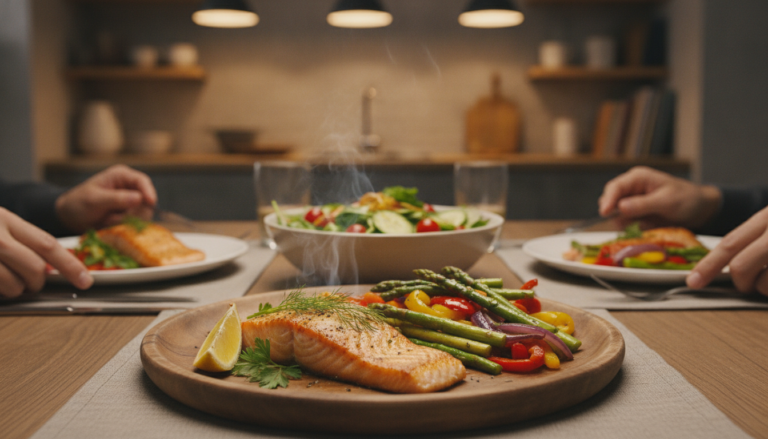
The right sides can turn a simple fish dinner into a balanced meal. Choose one hearty starch, then add vegetables with varied color and texture. This approach keeps your plate satisfying without making the cooking plan feel crowded.

Roasted Potatoes and Crusty Bread
Herb-roasted potatoes bring savory flavor and soak up the seasoned sauce left on the sheet. For extra contrast, try chili-oil smashed potatoes with crisp edges. Crusty bread or toast offers the fastest starch option. Use it to catch the juice from roasted tomatoes and the fish.
For another easy salmon recipe, place the starch on a separate pan if it needs more oven time. That keeps the main sheet focused and helps each item cook evenly. A warm loaf also makes a relaxed choice for a family dinner.
Green Vegetables for a Complete Meal
Add baby bok choy, green beans, broccolini, asparagus, or cherry tomatoes. Select produce with a similar cooking time. Asparagus and cherry tomatoes can cook beside the fish in about 11 minutes.
Arrange the vegetables on the baking sheet with space between pieces. This simple side adds color, fiber, and freshness to your protein. One pan, a few sides, and less cleanup make dinner feel easy.
How to Store and Reheat Leftover Salmon
Handle extra portions with care so they stay fresh and pleasant. Let the cooked fish cool completely, then place it in an airtight container. Refrigerate it within a reasonable time after serving.
Use three days as the safer refrigerator limit. Some guidance allows three to four days, but quality drops with longer storage. A chilled portion also works well over a salad, especially when reheating may create stronger fishy flavors.
To warm it, cover the container or portion with foil. Set your oven to a low temperature and heat for only a few minutes. Check the internal temperature often, since too much heat can dry the flesh. This gentle method helps protect the skin and keeps the center tender.
You can also freeze seasoned portions before cooking. Leave space around each piece, then wrap them well to protect the paste and skin. Thaw safely before you bake salmon for another easy recipe. Cold leftovers may offer the best texture and flavor.
Conclusion
These 15 recipe ideas give you simple ways to enjoy bright citrus, garlic, fresh herbs, sweet glazes, bold spices, and seasonal vegetables. Each option fits a practical home kitchen and a busy schedule.
Choose a 350°F whole-fillet method for a relaxed meal, a 375°F setting for individual portions, or an 11-minute broiler finish when time matters. An instant-read thermometer offers the clearest check. Remove the fish near 122°F for a juicy center, or continue to 145°F for fully cooked salmon.
Line your baking sheet with foil and parchment to contain sauces and reduce cleanup. Add potatoes, bread, or green vegetables for a complete plate.
Store leftovers in the refrigerator for about three days. Reheat them gently, since high heat can dry the flesh and reduce its quality.
FAQ
How long should you cook salmon in the oven?
Should you leave the skin on?
Can you cook frozen salmon without thawing it?
What temperature should you use for oven-baked salmon?
How can you keep the fish from drying out?
What sides pair well with this protein?
How long can you store leftover salmon?
What is the best way to reheat leftovers?
There are no reviews yet. Be the first one to write one.